
Google Veo 2, Runway Gen-3 & Luma Dream Machine: Powering Next-Gen AI Video
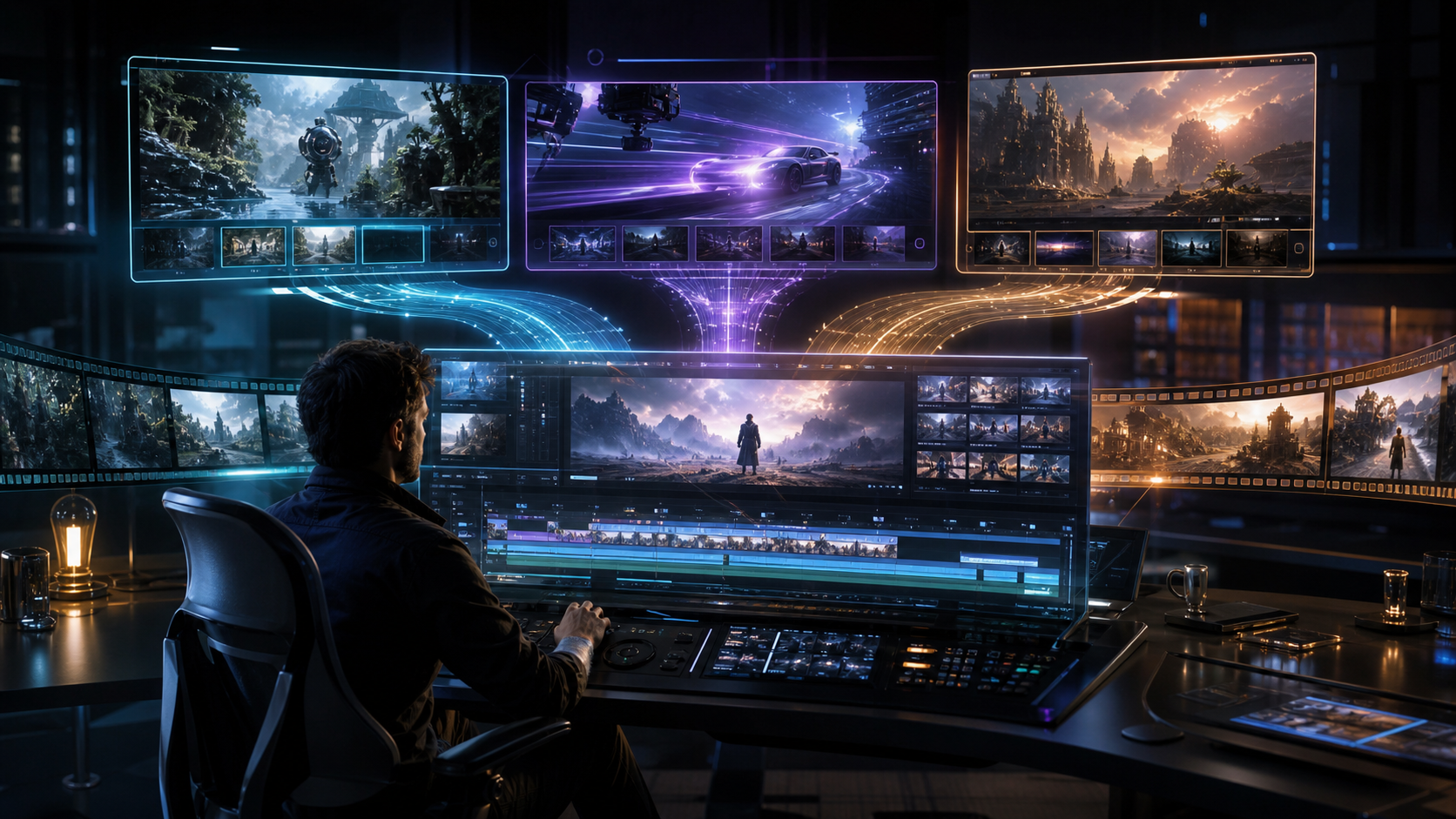
The landscape of AI video generation is evolving rapidly. While early adopters relied on a single AI engine for all video creation tasks, today’s production studios and professional creators recognize that no single model excels at everything. Google Veo 2 delivers exceptional visual prompt adherence, Runway Gen-3 shines in fluid camera motion, and Luma brings unparalleled speed and volumetric depth. To achieve truly cinematic consistency, creators must learn how to orchestrate multi-model AI video workflows into a unified pipeline.
Understanding the Strengths of Each AI Engine
To build an effective multi-model video pipeline, it is essential to leverage each model for its unique core competencies:
• Google Veo 2: Best suited for high-fidelity scene generation, intricate prompt comprehension, and complex physics understanding. It excels at establishing photorealistic foundations and detailed environment design.
• Runway Gen-3 Alpha: Exceptional for controlled camera dynamics, stylistic transformations, and video-to-video editing. Its strength lies in smooth temporal transitions and director-level precision over movement.
• Luma Dream Machine: Ideal for high-speed generation, rapid concept prototyping, and immersive camera pushes. It provides quick iterations and fluid motion curves for dynamic storytelling.
Orchestrating Multi-Model Workflows with VidAIx
Instead of forcing a single tool to handle every aspect of video production, modern creators use VidAIx as a central orchestration layer. By combining the strengths of Google Veo 2, Runway Gen-3, and Luma within VidAIx, you can streamline your visual pipeline, save rendering credits, and maximize visual polish across every project.